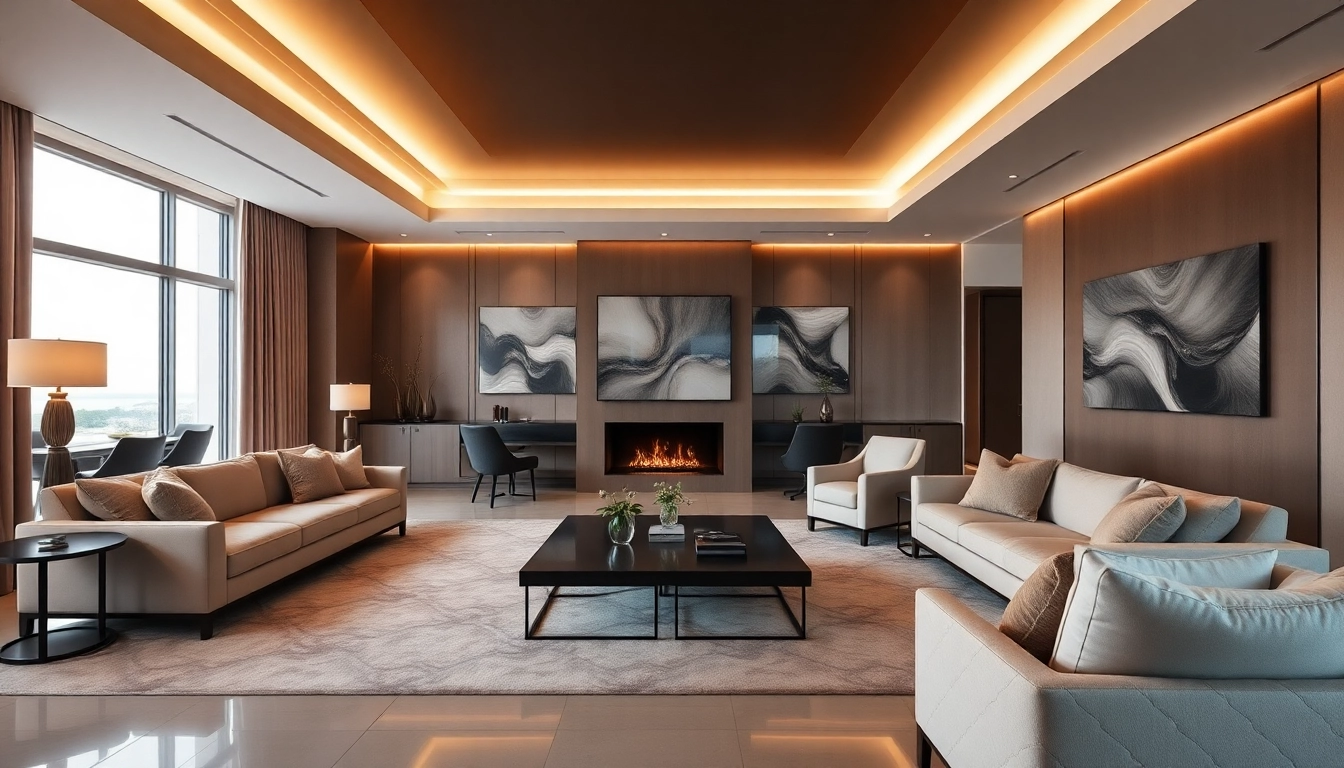
What is Luxury?
Luxury is often understood as a state of great comfort or extravagant living, but its definition extends beyond mere opulence. In today’s society, it encompasses a blend of comfort, high-quality materials, exclusivity, and experiences that significantly enhance everyday life. The term has resonated deeply across cultures and economies, symbolizing not just the products one can own but the entire lifestyle and status one can achieve through them. For those looking to explore luxury, it is essential to delve deep into its conceptual roots and implications.
Defining Luxury Goods
Luxury goods are a unique category of products that elicit desire and symbolize status. According to economic principles, they are goods for which demand grows disproportionately as consumer income rises. This demand elasticity highlights how luxury items, such as designer handbags, haute couture apparel, or high-end automobiles, are associated with wealth and exclusivity.
Characteristics of luxury goods include:
- Exclusivity: Limited availability often creates a sense of rarity, which enhances desirability.
- Quality: Superior craftsmanship and the use of high-quality materials set these products apart from everyday items.
- Price: Luxury goods typically command higher prices, which can be as much a hallmark of their status as the physical product itself.
- Brand Heritage: Many luxury brands have history and storytelling that enhance their appeal and establish emotional connections with consumers.
Economic Implications of Luxury
The luxury market influences global economies, contributing significantly to GDP in many countries. The rise in demand for luxury goods is closely tied to the growth of the affluent class and increasing disposable income. Countries like China and India have become notable players in this sector, with rising numbers of wealthy consumers investing in luxury items, thereby driving global market trends.
Interestingly, luxury brands employ innovative pricing strategies. They often use premium pricing to reinforce their exclusivity, while strategic sales and limited-time offers can create urgency around purchases. In some cases, brands also engage in "status signaling," where consumers purchase luxury items not just for their functional benefits but also to communicate wealth or taste.
Luxury in Consumer Psychology
Understanding the psychology behind luxury consumption reveals profound insights into consumer behavior. Luxury items are often tied to notions of identity and self-perception. When individuals purchase luxury goods, they are not only acquiring products; they are also investing in an identity that reflects their lifestyle, tastes, and aspirations.
This phenomenon is termed "conspicuous consumption," a concept introduced by economist Thorstein Veblen, emphasizing the social and psychological motivations that drive luxury purchases. Research indicates that luxury consumers are often motivated by:
- Social Status: Owning luxury items can enhance a person's social standing among peers.
- Personal Fulfillment: Indulging in luxury can provide personal satisfaction and a sense of achievement.
- Brand Loyalty: Many consumers develop a strong emotional connection to brands that resonate with their values and narratives.
The Evolution of Luxury Trends
Historical Perspectives on Luxury
The concept of luxury is not new; it has traversed through centuries and various cultures. Historically, luxury was reserved for royalty and aristocrats. Items like silk, spices, and fine artworks were exclusive to wealthier classes, signifying power and importance.
The Renaissance marked a significant turning point in luxury consumption, where art, culture, and individual expression flourished. By the 19th century, with the advent of the Industrial Revolution, luxury began to shift from personalization towards mass production, yet the elite continued to define standards in craftsmanship.
Current Trends in Luxury Marketing
Today's luxury market is experiencing a transformative shift due to technological advancements and changing consumer preferences. The emergence of digital platforms has redefined how luxury brands interact with consumers. Strategies such as influencer marketing, immersive online experiences, and social media storytelling have become crucial for building brand loyalty and attracting new customers.
Sustainability has also surfaced as a pivotal theme in luxury marketing. Consumers are increasingly prioritizing ethical practices, transparency, and eco-friendliness. Brands that align themselves with sustainable values often see enhanced brand loyalty and consumer trust.
Future Predictions for the Luxury Market
Looking ahead, the luxury market is poised for significant changes driven by demographic shifts, technology, and values. Predictions indicate a strong growth trajectory as new generations, particularly Millennials and Gen Z, move into income brackets that afford luxury purchases.
Moreover, the rise of blockchain technology is likely to alter the landscape of luxury, providing greater transparency regarding product authenticity and sourcing. The luxury market is expected to continue evolving toward a more personalized experience, where brands leverage data analytics to create tailor-made offerings for consumers.
Luxury Brands and Their Impact
Iconic Luxury Brands
Several luxury brands have solidified their status as icons in the industry. Names like Chanel, Louis Vuitton, and Gucci are synonymous with luxury and haute couture. These brands not only set trends but also shape consumer perceptions of luxury through their storytelling, marketing, and heritage.
Chanel, for example, remains renowned for its timeless perceptions of luxury, largely due to its strong brand heritage initiated by Coco Chanel and its commitment to maintaining exceptional craftsmanship. Similarly, Louis Vuitton's iconic monogram symbolizes not just a product, but a lifestyle of wealth and sophistication.
Brand Loyalty in Luxury Markets
Brand loyalty is particularly pronounced in the luxury sector, where consumers often exhibit deep emotional connections to their preferred brands. This loyalty is sometimes cultivated through elite customer programs, personalized services, and exclusive product availability.
Moreover, luxury brands focus on maintaining consistent quality and delivering exceptional customer experiences—hallmarks that foster trust and repeat purchases. Brands that engage directly with consumers through personalized marketing and relationship-building strategies tend to see higher retention rates and lifetime customer value.
The Role of Innovation in Luxury
Innovation in the luxury market extends beyond product development. It encompasses operational efficiencies, customer engagement, and marketing strategies. Many luxury brands are integrating technology into their offerings, ensuring they stay relevant in a fast-paced digital landscape.
For instance, augmented reality (AR) is being utilized for virtual try-ons, providing an interactive shopping experience that enhances consumer engagement. Additionally, using artificial intelligence (AI) to analyze consumer data helps brands tailor their offerings and marketing campaigns to suit customer desires more effectively.
Experiencing Luxury: Beyond Products
The Role of Luxury Services
Luxury extends well beyond tangible products. A burgeoning area within the luxury sector is luxury services—including high-end concierge services, personal shopping experiences, and private travel arrangements. Providing such experiences is critical in enhancing perceived value and customer satisfaction.
For example, luxury hotels have shifted towards personalized guest experiences, offering tailored activities and services that anticipate and fulfill customer needs. This shift is all about creating memorable experiences that exceed customer expectations.
Travel and Hospitality in Luxury
The travel and hospitality sector has seen a renaissance in luxury offerings. High-end travel agencies curate bespoke journeys that cater to the tastes and preferences of affluent travelers. Luxury hotels and resorts incorporate unique designs, superior service, and exclusive amenities that transform a simple getaway into an unforgettable experience.
Furthermore, the rise of experiential travel where adventures, local culture, and heritage are integrated into luxury experiences, has become increasingly popular. This trend caters to the modern luxury traveler’s desire for unique, immersive experiences over traditional luxury comforts.
Luxury in Daily Living
Incorporating luxury into daily life involves selecting high-quality items and services that enhance everyday experiences. Consumers are now investing in luxury home goods, gourmet food products, and personal care items that offer superior quality and craftsmanship.
Moreover, the trend of ‘luxury wellness’ is emerging, wherein consumers seek to integrate luxurious practices into their daily routines, such as spa treatments at home, premium skincare regimens, and artisanal food products. This concept reflects a broader understanding of luxury as not just exclusive products but also as self-care and well-being.
Challenges and Critiques of Luxury Consumption
Sustainability Issues in Luxury Markets
As the luxury market grows, so too does the scrutiny regarding its sustainability practices. The fashion industry, particularly, is under pressure to reconcile its practices with environmental and ethical considerations. Issues like labor practices, resource consumption, and the impact of fast fashion on luxury brands highlight the need for a shift toward sustainability in luxury.
Brands are responding by adopting sustainability initiatives, like sourcing eco-friendly materials and promoting circular fashion practices, embracing the idea that luxury can coexist with environmental responsibilities. "Conscious luxury" is set to become a defining theme for the industry's future.
The Critique of Excess and Consumerism
Luxury consumption is often critiqued for promoting excess, leading to discussions around consumerism and societal inequalities. Critics argue that an overemphasis on luxury goods can foster materialism and detract from values of community and shared experiences.
In response, many luxury brands are focusing on collectivism, using their influence to encourage community engagement and philanthropic initiatives. Establishing social responsibility is becoming a key component of luxury branding, balancing the need for profitability with ethical considerations.
Finding Meaning in Luxury Experiences
Ultimately, the challenge lies in finding meaningful connections to luxury. With increased access to luxury markets, consumers are encouraged to prioritize items and experiences that resonate with their values and aspirations, rather than conforming to societal pressures.
Leading luxury brands are recognizing this shift and adapting their offerings. They now emphasize storytelling, heritage, and authenticity, creating deeper connections with consumers. By sharing their journeys and values, luxury brands can forge loyalties that transcend mere transactions, aligning with consumers’ desires for genuine experiences.